



[ad_1]
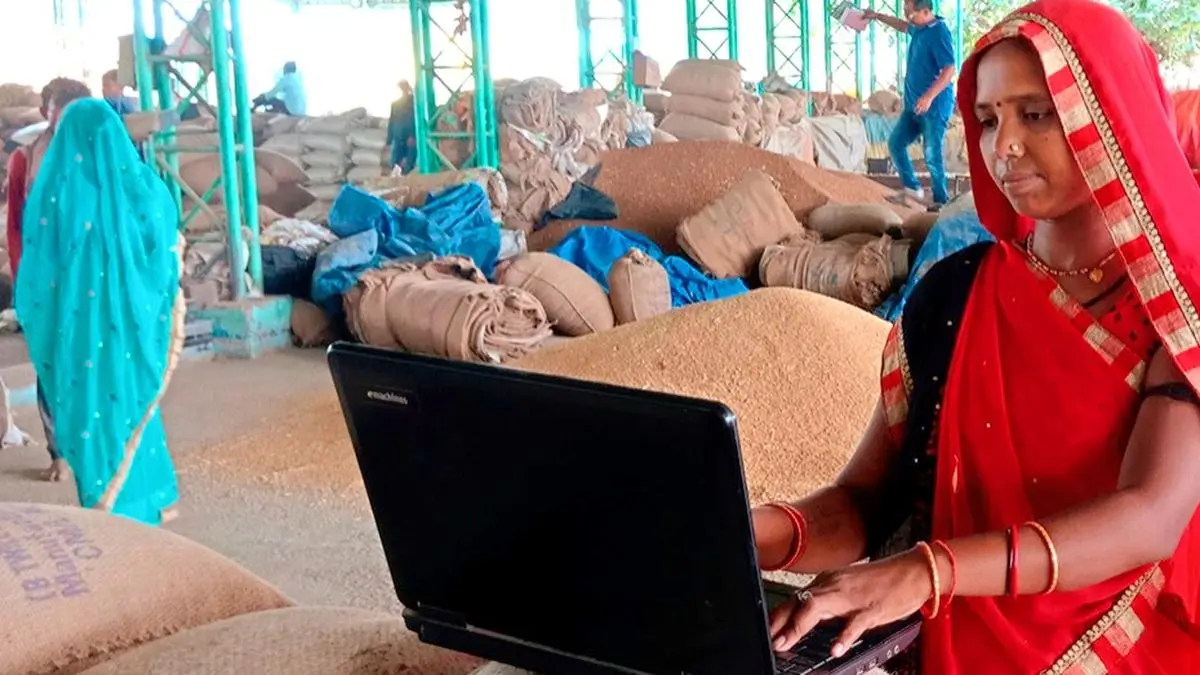
The urban-rural gap in digital access must be bridged
| Photo Credit:
Naturecreator
In a landmark ruling last week, the Supreme Court of India has declared digital access a fundamental right, affirming its intrinsic link to the right to life, education, expression, and equality. This judgment (clubbing Pragya Prasun vs Union of India and Amar Jain vs Union of India) is timely and far-sighted. However, turning universal digital access into a ground reality entails grappling with structural, legal, and economic challenges.
The ruling rightly acknowledges that the internet is a basic enabler of education, employment, governance, and social inclusion. Whether it’s accessing welfare schemes, applying for jobs, studying online, or simply exercising free speech, connectivity defines 21st-century citizenship. Yet, India’s digital landscape remains deeply unequal in various ways. The starkest is the rural-urban gap. While cities may boast improved connectivity, vast swathes of rural India grapple with non-existent or unreliable networks, slow speeds, and inadequate infrastructure. The digital divide is more than a connectivity issue — it is an exclusion issue. It reinforces the marginalisation of communities who are already underserved in terms of education, healthcare, and infrastructure. Therefore, the top court’s recognition of digital access as a right must be followed by policy action that bridges this divide.
The first challenge is to scale up broadband infrastructure, particularly in rural and underserved regions. While programmes like BharatNet have made progress, they remain hampered by delays, funding bottlenecks, and implementation gaps. The Universal Service Obligation Fund (USOF), meant to finance rural connectivity, must be overhauled and deployed more efficiently. Second, affordability is key. Recognising the internet as a right is hollow if people cannot afford data plans or devices. The government must work with telecom companies to ensure low-cost broadband tariffs, subsidised data plans for low-income households, and affordable smartphones or tablets, especially for students and small entrepreneurs. Public Wi-Fi initiatives and community digital centres can serve as short-term measures in high-need areas. Third, there is the issue of digital literacy. Millions of Indians, especially women and the elderly, lack the skills to navigate digital platforms securely. Public education campaigns and grassroots digital literacy programmes must become a national priority if the court’s vision is to be fulfilled.
Moreover, the political will to uphold the right to digital access must remain strong. India has, in recent years, led the world in internet shutdowns, often citing public order concerns. While national security is important, the misuse of shutdowns undermines democratic rights and economic stability. The court’s recognition of digital access should compel stricter scrutiny and clear legal limits on internet restrictions. Finally, telecom providers, device manufacturers, and digital platforms must work with government agencies to expand access, reduce costs, and innovate with inclusion as a top priority.
Published on May 9, 2025
[ad_2]
Source link


