



[ad_1]
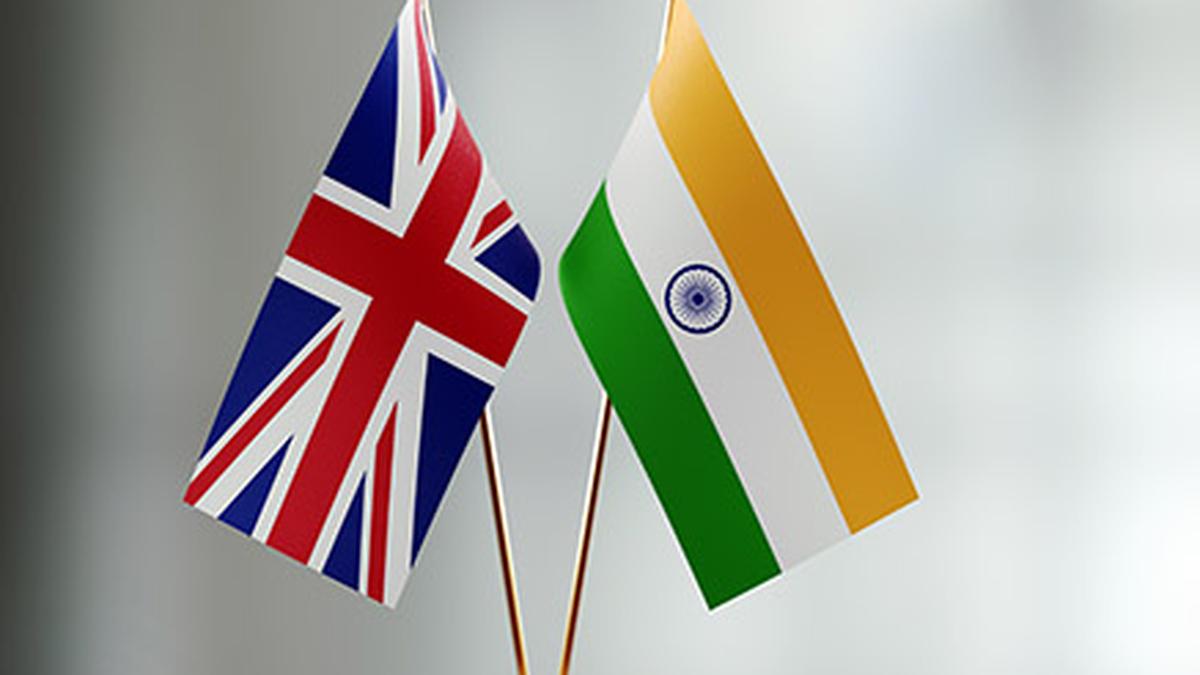
The UK-India FTA supports India’s ambition to become the world’s factory and for the UK, it offers access to the fastest growing consumer market
| Photo Credit:
MicroStockHub
The India-UK Free Trade Agreement (FTA) marks a defining milestone in India’s global economic journey and is aligned with vision of Viksit Bharat 2047. It is by far the most comprehensive deal India has signed with any major developed nation. For the UK, it is the biggest and the most economically significant deal post-Brexit.
For India, which is soon to become the world’s third-largest economy, this deal positions us to integrate more deeply into global value chains while maintaining our commitment to inclusive and sustainable growth.
A win-win deal
The annual boost to UK GDP is projected to be £4.8 billion within the next 15 years and bilateral trade, currently at £42.8 billion, by £25.5 billion every year over the long run.
Indian businesses, especially in labour intensive sectors like textiles, processed foods, etc., will benefit from zero or reduced tariffs on a wide range of goods exported to the UK. For example, share of Indian textile exports to the UK is only 5 per cent vis-a-vis China (21 per cent) and Bangladesh (18 per cent). An increased share from reduced tariffs could significantly boost our exports by over $1 billion.
Similarly, India’s footwear exports to the UK are expected to more than double to over $550 million, aided by tariff reduction. At the same time, Indian consumers will enjoy greater access to high-quality UK goods, from automobiles to beverages, cosmetics, and medical devices. Importantly, Indian firms will also gain unprecedented access to UK government procurement — a market worth billions.
For manufactured goods tariffs will be significantly reduced or eliminated including automotive components, industrial machinery, optical instruments, processed foods and more. The deal is expected to streamline regulatory cooperation to allow faster market access for Indian generics and UK medical innovations. It would encourage investments in bilateral value chains, including in defence and aerospace, renewables and mobility solutions.
Equally vital is the FTA’s support for digital trade and innovation. It sets the ground for future cooperation in e-commerce, cybersecurity, and AI – critical for emerging tech sectors. The inclusion of a dedicated Innovation Working Group signals a shared commitment to co-develop next-generation solutions in clean energy, advanced manufacturing, and agri-tech.
This agreement incorporates India’s strongest commitments on sustainability — facilitating trade in green technologies and cooperating on climate resilience.
The FTA also includes provisions on labour rights, anti-corruption, gender equality, and fair competition. The inclusion of a dedicated chapter on SMEs is particularly welcome.
Another highlight is the facilitation of professional mobility. Indian professionals and service providers — especially in sectors like IT, architecture, accountancy, and management — will now find it easier to temporarily work and collaborate in the UK.
Similarly, British professionals will benefit from streamlined visa and mobility norms when working in India. The reciprocal Double Contributions Convention (DCC) further supports this movement by ensuring professionals are not burdened by double social security payments.
Over 60,000 employees are expected to benefit from the IT sector alone and lead to savings of about 20 per cent of employee salaries. Additionally, access to UK’s advanced technologies and funding opportunities would be advantageous for Indian start-ups and universities.
This agreement goes beyond trade and tariffs — it’s about forging deeper people-to-people, platform-based, and strategic partnerships. It supports India’s ambition to become both the world’s factory and its innovation hub and for the UK, it offers access to the fastest growing consumer market.
The writer is CMD, JK Paper Ltd
Published on May 8, 2025
[ad_2]
Source link


